Why the Christian Industry Is Distracting Us from Being the Church
Let me tell you a story that’s been stirring something deep in me lately.
I heard someone share a moment where the Holy Spirit challenged them, and it hit me like a ton of bricks. They were rushing from one Christian event to the next— books, conferences, all the “ministry things” — when the Holy Spirit whispered, “You see these people as an interruption to your ministry, rather than the object of it.”
Oof.
Have you ever had a moment like that? Where you suddenly realize, I’ve been missing it. I’m so focused on my routine, my service, even my good intentions… that I’ve stopped seeing people. Real people. The ones Jesus actually came for.
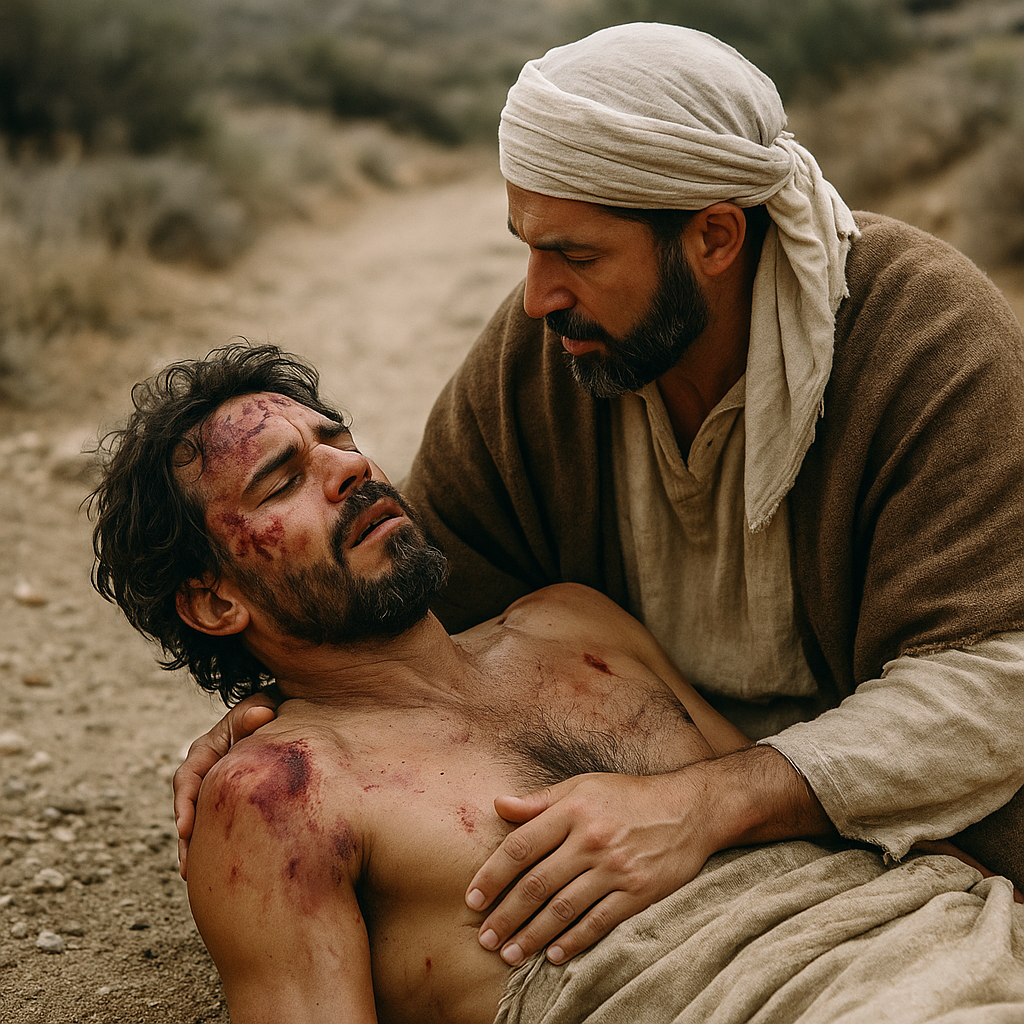
It reminded me of the parable of the Good Samaritan in Luke 10. You know it: a man is beaten and left half-dead on the side of the road. A priest walks by. Then a Levite. Both religious leaders. Both on their way to “do ministry.” But they cross the street and keep going.
Then a Samaritan—someone the religious folks would’ve looked down on—stops. He sees the man, has compassion, and gets his hands dirty. He uses his time, his resources, and even his money to care for him.
That’s when it hit me: the Samaritan wasn’t less busy. He just chose love over schedule.
And I wonder how many of us, without meaning to, are walking right past the people Jesus put in our path.
The Trap of the “Christian Industry”
Somewhere along the way—especially here in America—we’ve created a whole industry around Christianity.
Now, let me be clear: I love the Church. I love good music, powerful sermons, and yes, even a well-done conference. But we have to be honest: we’ve gotten comfortable consuming Christianity instead of living it.
We follow influencers who post verses on Instagram. We buy devotionals, stream worship, and listen to podcasts. We talk about ministry a lot. But when’s the last time we looked someone in the eye, heard their story, and loved them like Jesus would?
See, we’ve built a system where it’s possible to be a “successful Christian” without ever actually doing what Jesus said.
And that’s dangerous.
You Can Build an Industry or You Can Build the Church
This is the hard truth: the Christian industry is not the same as the Kingdom of God.
It’s possible to have a full calendar and an empty heart. To know the language of faith, but not the power of it. To do a lot for God—but forget to be with Him and love others.
Jesus didn’t say, “They’ll know you’re my disciples by your platforms, merch, or speaking gigs.” He said, “They’ll know you by your love” (John 13:35).
That means showing up. Being present. Choosing people over comfort.
What Are We Really Chasing?
Here’s the wild thing: in some parts of the world, following Jesus costs everything. People are imprisoned or even killed for their faith. And here we are; often worried about likes, followers, and whether or not the worship fits our style.
It’s not that those things are bad. But when they become the goal instead of the overflow, we’ve missed the point entirely.
We’re not better than our brothers and sisters in places like Iran, China, or parts of Africa who are risking their lives to live out the gospel. In fact, maybe we have more to learn from them than we realize.
Because the Church isn’t built on celebrity. It’s built on sacrifice.
Let’s Be the Church Again
So here’s my heart in all this: I’m not calling anyone out. I’m calling all of us back.
Back to the simple, powerful, messy beauty of the gospel. Back to loving our neighbor. Back to the street, where real ministry happens.
Because ministry isn’t a stage or a spotlight—it’s the moment you make time for the hurting. It’s a cup of coffee with a struggling friend. It’s mentoring a teenager. It’s praying with someone who doesn’t even believe yet.
You don’t need a platform to do that. You just need to see people.
Let’s be the kind of Church that Jesus died to build. Let’s not chase ministry as a career. Let’s follow Him in love, service, and bold obedience—even when no one’s watching.
And maybe, just maybe, that’s how we’ll actually change the world.